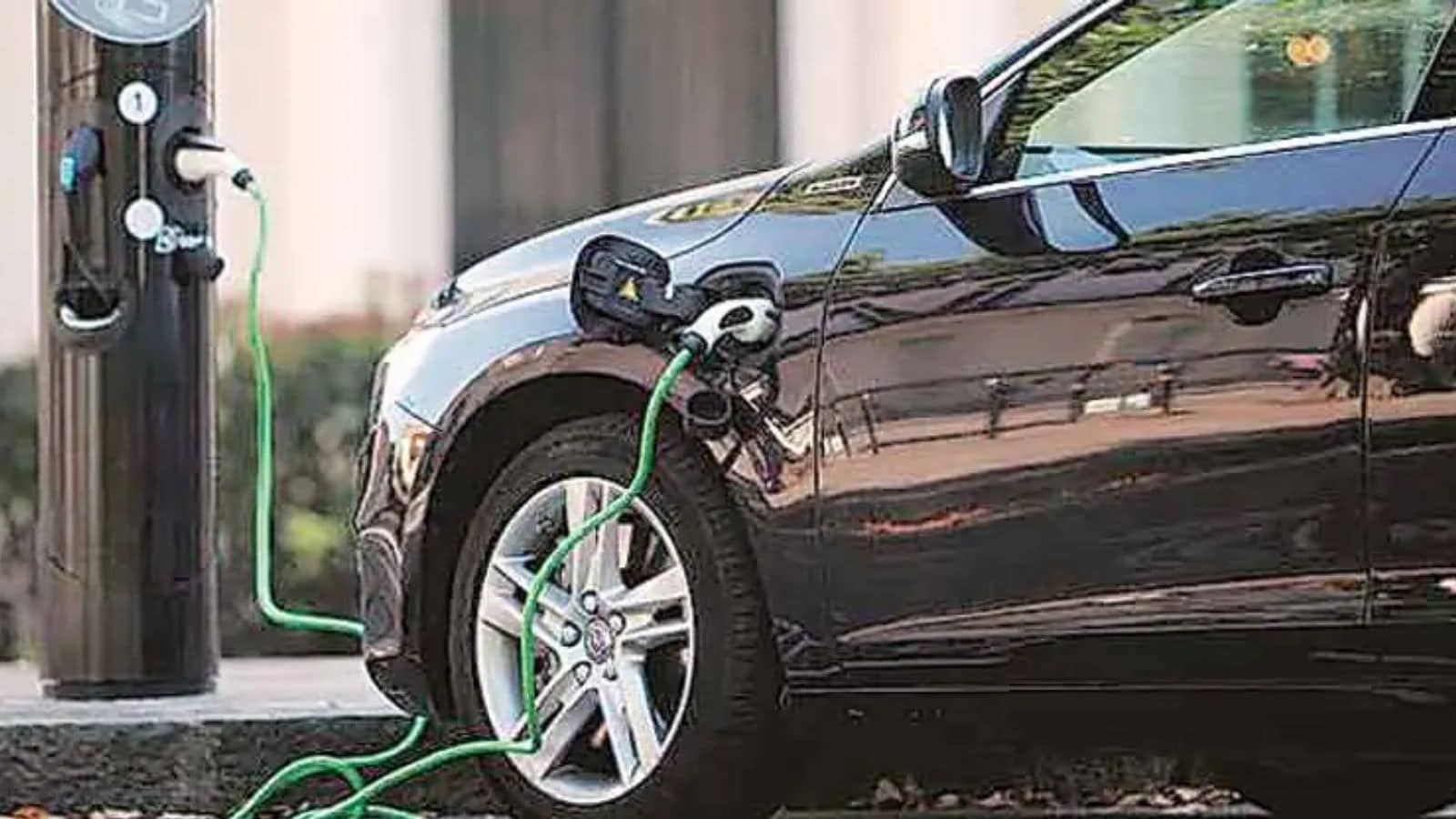
To promote shared mobility and adoption of electric vehicles (EVs), the Delhi government on Friday agreed in principle to allow privately-owned EVs to operate as shared taxis.
Chief Minister Rekha Gupta said that to realise this objective, the government would amend rules and develop an effective mechanism to address the concerns of cab aggregators.
The decision was taken in a meeting attended by Gupta, Transport Minister Pankaj Singh, Transport department officials, representatives from Tata Motors, Mahindra, Maruti Suzuki, Toyota, and Honda, as well as representatives of cab aggregator Ola, Uber, and Rapido.
According to a statement shared by the CMO, in the meeting, Gupta said that the government is, in principle, willing to facilitate companies, resolve their issues and introduce flexibility in rules, so that people are encouraged to purchase EVs and use aggregator services for commuting.
The statement added that the aggregators have been asked to submit a plan outlining the timeline within which they would be able to meet demand-based supply of electric vehicles across Delhi.
While agreeing to operate shared taxis, aggregators have said that within one month, they would begin services for shared taxis and taxis driven by women drivers, the CMO said. Also, they are ready to onboard private EVs and BS-VI vehicles as taxis, but this would require changes in existing rules.
“CM has assured them that such changes would be made in the coming days, while stressing that passenger safety measures must be strictly ensured by the companies. The companies agreed to this,” the statement said.
Story continues below this ad
Also, the Chief Minister urged the aggregators to explore the possibility of integrating e-rickshaws into their platforms and suggested that companies consider operating shuttle services on the Ring Road and to and from the airport.
Further, Gupta said that these companies must also provide concessions that increase public inclination towards their services. Vehicle pricing should be structured in a manner that attracts consumers, she added.
The CM said the government is prepared to provide land for setting up charging stations, but companies must also explore the possibility of charging vehicles through solar energy, the statement said.
She emphasised that companies themselves would have to manage battery waste, so that another source of pollution does not emerge.
Story continues below this ad
“Effective and sustainable control of pollution in Delhi is possible only by reducing the number of vehicles on the roads.Transport-related companies must actively support the government’s mission, as only then can the capital quickly transform into a Viksit Delhi,” Gupta added.